Introduction: A Nutrition Blueprint for Protecting the Heart
Cardiovascular disease (CVD) remains the leading cause of death worldwide, affecting millions of individuals across all demographics. Yet, among the most powerful tools for managing and even reversing its progression is not found in a prescription bottle—but on the plate.
This guide serves as the foundation for Pro Healthy Habits’ heart-focused nutrition series, providing an evidence-based overview of:
- The core principles of heart-healthy eating
- Essential nutrients that influence cardiovascular function
- The most effective dietary frameworks (DASH, Mediterranean, Portfolio)
- How these apply across different heart conditions
Each section links to in-depth condition-specific articles to personalize your approach to heart wellness.
Why Diet Matters for Heart Disease
Whether you’re managing high blood pressure, recovering from a heart attack, or living with heart failure, diet directly impacts:
- Blood pressure regulation
- Cholesterol and triglyceride levels
- Inflammation and oxidative stress
- Endothelial function and arterial elasticity
- Cardiac rhythm and fluid balance
“Nutrition is foundational to both the prevention and clinical management of all major forms of cardiovascular disease.”
— Modern Nutrition in Health and Disease
Core Principles of Heart-Healthy Eating
✅ Emphasize:
- Fruits and vegetables (especially leafy greens and berries)
- Whole grains (e.g., oats, quinoa, brown rice)
- Legumes (beans, lentils, peas)
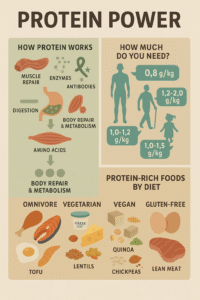
- Lean protein (especially fatty fish, poultry, plant-based proteins)
- Unsaturated fats (olive oil, nuts, seeds, avocado)
🚫 Limit or Avoid:
- Saturated fats (e.g., red meat, butter, full-fat dairy)
- Trans fats (often in processed snacks and baked goods)
- Excess sodium (from processed foods, sauces, deli meats)
- Added sugars and sweetened beverages
- Highly processed convenience foods
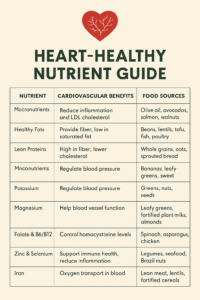
Key Nutrients for Cardiovascular Health
| Nutrient | Role in Heart Health | Food Sources |
|---|---|---|
| Potassium | Regulates blood pressure and fluid balance | Bananas, potatoes, beans, spinach, oranges |
| Magnesium | Supports vascular tone, rhythm regulation | Pumpkin seeds, nuts, dark leafy greens, avocado |
| Omega-3s | Reduce inflammation, triglycerides, arrhythmia risk | Salmon, sardines, walnuts, chia, flaxseeds |
| Soluble Fiber | Lowers LDL cholesterol, stabilizes blood sugar | Oats, legumes, apples, barley, psyllium |
| Antioxidants | Reduce oxidative stress on blood vessels | Berries, cocoa, citrus fruits, green tea |
| Folate | Reduces homocysteine, supports arterial health | Leafy greens, legumes, citrus, fortified grains |
| Plant Sterols | Interfere with cholesterol absorption | Fortified margarines, seeds, nuts, legumes |
| CoQ10 | Supports energy metabolism in heart muscle | Organ meats, oily fish, spinach, supplements |
Each condition (e.g., hypertension, heart failure, post-MI) may require adjusting intake of specific nutrients like sodium, potassium, or fluid—covered in the individual condition articles.
Dietary Patterns Backed by Research
🥗 1. Mediterranean Diet
- Emphasizes: olive oil, legumes, whole grains, fish, vegetables
- Shown to reduce: cardiovascular mortality, inflammation, LDL cholesterol
- Key trials: PREDIMED, Lyon Heart Study
👉 Explore the Mediterranean diet in detail →
🧂 2. DASH Diet
- Developed to lower blood pressure
- High in potassium, magnesium, fiber; low in sodium and saturated fats
- Shown to lower: systolic BP by up to 11 mmHg in hypertensive individuals
👉 Learn how the DASH diet supports blood pressure control →
🌿 3. Portfolio Diet
- A therapeutic vegetarian-based approach targeting cholesterol
- Includes: soy protein, soluble fiber, nuts, plant sterols
- Shown to lower LDL cholesterol by 25–30% when followed strictly
👉 Discover the Portfolio Diet’s cholesterol-lowering benefits →
How to Personalize Your Heart-Healthy Diet
Every heart condition has unique dietary priorities:
| Heart Condition | Primary Dietary Goals |
|---|---|
| Hypertension | Sodium reduction, potassium boost, magnesium intake |
| Atherosclerosis | Anti-inflammatory foods, fiber, antioxidant support |
| Heart Failure | Sodium and fluid balance, thiamine and CoQ10 |
| High Cholesterol | Soluble fiber, plant sterols, omega-3s |
| Arrhythmias | Magnesium, omega-3s, taurine, potassium |
| Post-Heart Attack | Anti-inflammatory diet, nutrient repletion (e.g., folate, CoQ10) |
👉 Explore all condition-specific dietary guides here → (hyperlinks to follow as articles are completed)
Conclusion: A Heart-First Way of Eating
Eating for heart health doesn’t mean giving up flavor or enjoyment. In fact, it’s about embracing color, balance, and nourishment—with every forkful supporting your most vital organ.
By following evidence-based patterns like DASH, Mediterranean, or Portfolio—and tailoring them to your personal heart condition—you can make powerful strides toward lowering risk, improving energy, and extending quality of life.
References
- Ross, A. C., et al. (2014). Modern Nutrition in Health and Disease (11th ed.). Lippincott Williams & Wilkins.
- Berdanier, C. D., & Berdanier, L. (2021). Advanced Nutrition: Macronutrients, Micronutrients, and Metabolism. CRC Press.
- Ostojic, S. M. (2023). Molecular Nutrition and Mitochondria. Elsevier.
- Jenkins, D. J. A., et al. (2003). Effects of a dietary portfolio of cholesterol-lowering foods. JAMA, 290(4), 502–510.
- Estruch, R., et al. (2013). Primary prevention of cardiovascular disease with a Mediterranean diet. NEJM, 368, 1279–1290.