Introduction: A Therapeutic Diet Born from Research
While many diets aim to promote general wellness, the Portfolio Diet stands apart as one of the few explicitly designed to lower LDL cholesterol and cardiovascular risk—and backed by clinical trials.
Developed by Dr. David Jenkins and colleagues at the University of Toronto in the early 2000s, the Portfolio Diet combines four cholesterol-lowering food components into a targeted “portfolio” shown to rival the effects of first-line statin therapy in certain individuals.
This article dives into the scientific evidence, core principles, key nutrients, and real-world applications of the Portfolio Diet as part of a cardiovascular treatment plan.
What Is the Portfolio Diet?
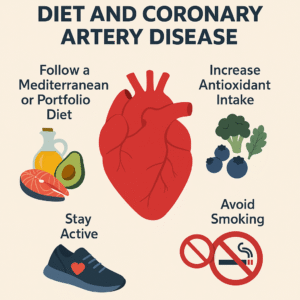
The Portfolio Diet is a plant-based, vegetarian dietary pattern composed of four main components—each scientifically shown to lower LDL cholesterol levels.
🧾 The Four Core Pillars:
- Soluble fiber (from oats, barley, psyllium, legumes)
- Plant sterols (from fortified foods, seeds, nuts)
- Soy protein (from tofu, soy milk, tempeh, soybeans)
- Nuts (especially almonds and walnuts)
Together, these foods act synergistically to lower LDL by up to 30%, according to controlled trials
“The Portfolio Diet is one of the most effective dietary strategies for lowering LDL cholesterol—comparable to low-dose statin therapy in motivated patients.”
— Jenkins et al., JAMA, 2003
How It Works: Mechanisms of Action
| Component | Mechanism | Target Outcome |
|---|---|---|
| Soluble Fiber | Binds bile acids and cholesterol in the gut | ↓ LDL cholesterol |
| Plant Sterols | Compete with dietary cholesterol for absorption | ↓ LDL, total cholesterol |
| Soy Protein | May upregulate LDL receptor activity in liver | ↓ LDL, ↓ triglycerides |
| Nuts | Provide unsaturated fats, fiber, and sterols | ↓ LDL, ↑ HDL (modestly) |
Clinical Evidence: What the Research Shows
🔬 Landmark Study (Jenkins et al., JAMA, 2003)
- Study type: Randomized controlled trial
- Participants: 46 hyperlipidemic adults
- Intervention: Portfolio Diet vs. low-saturated-fat control diet
- Duration: 4 weeks
Results:
- LDL cholesterol ↓ by 28.6% in the Portfolio group
- LDL ↓ by only 8–10% in the control diet
- Comparable to statin therapy in effect size
These results have been replicated in later studies, with even greater LDL reductions when adherence is high and portions are well managed
Sample Daily Intake Targets
| Portfolio Component | Recommended Daily Amount | Example Sources |
|---|---|---|
| Soluble Fiber | 10–25 grams | Oats, barley, lentils, apples, psyllium |
| Plant Sterols | 2 grams | Fortified margarines, sunflower seeds |
| Soy Protein | 25–50 grams | Soy milk, tofu, edamame, tempeh |
| Nuts | 30–50 grams (about 1–2 oz) | Almonds, walnuts, pistachios |
The full benefits are generally achieved when all components are consumed at therapeutic levels daily—hence the term “portfolio.”
How It Compares to Other Heart-Healthy Diets
| Diet | Focus | Protein Source | Saturated Fat Limit | LDL Lowering Power |
|---|---|---|---|---|
| Portfolio | LDL reduction | Soy, legumes | Strict | ⭐⭐⭐⭐ (25–30%) |
| DASH | BP control | Lean meats, dairy | Moderate | ⭐⭐ (~11–13%) |
| Mediterranean | CVD prevention | Fish, legumes | Moderate | ⭐⭐⭐ (~10–15%) |
📌 Note: Effects vary by adherence, individual response, and clinical condition.
Additional Health Benefits
Beyond cholesterol lowering, the Portfolio Diet may also support:
- Weight loss and waist reduction
- Improved glycemic control in type 2 diabetes
- Reduced C-reactive protein (CRP) and inflammation markers
- Lower systolic blood pressure, though less than DASH
Limitations and Practical Considerations
| Challenge | Solution |
|---|---|
| Requires high adherence | Use structured meal plans or dietitian guidance |
| Soy intolerance or allergies | Use other legumes + extra fiber and nuts |
| Availability of plant sterols | Use fortified foods or supplements |
| High fiber → GI discomfort | Increase fiber intake gradually |
It’s also a vegetarian diet by design—so those accustomed to omnivorous patterns may need transitional support.
Sample Day on the Portfolio Diet
| Meal | Example |
|---|---|
| Breakfast | Oatmeal with soy milk, flaxseeds, and apple slices |
| Snack | Handful of almonds + soy yogurt |
| Lunch | Lentil soup with barley and mixed greens |
| Snack | Whole grain crackers with fortified plant sterol spread |
| Dinner | Stir-fried tofu and broccoli over quinoa |
| Dessert | Baked pear with cinnamon and crushed walnuts |
Who Should Consider the Portfolio Diet?
- Individuals with elevated LDL cholesterol or total cholesterol
- Those with statin intolerance
- People pursuing a plant-based heart-healthy approach
- Patients with mild-to-moderate hyperlipidemia
- Complementary therapy for atherosclerosis or post-MI recovery
Conclusion: A Therapeutic Dietary Tool for Cholesterol Management
The Portfolio Diet is not simply another plant-based trend—it’s a clinically validated, precision-based nutritional therapy that can significantly reduce LDL cholesterol and improve cardiovascular markers.
When followed consistently and strategically, it offers a powerful option for those seeking to lower cholesterol naturally, reduce medication reliance, and support heart health long-term.
References (APA Style)
- Jenkins, D. J., et al. (2003). Effects of a dietary portfolio of cholesterol-lowering foods. JAMA, 290(4), 502–510.
- Ross, A. C., et al. (2014). Modern Nutrition in Health and Disease (11th ed.). Lippincott Williams & Wilkins.
- Berdanier, C. D., & Berdanier, L. (2021). Advanced Nutrition: Macronutrients, Micronutrients, and Metabolism. CRC Press.
- Jenkins, D. J., et al. (2011). Combined effect of plant food components on serum lipids. Metabolism, 60(1), 32–38.