Introduction: The Urgency of Therapeutic Nutrition
Atherosclerosis—the progressive buildup of plaque in arterial walls—is the root cause of most cases of coronary artery disease (CAD), the leading cause of heart attacks and cardiovascular deaths globally. While medications, stents, and surgeries play critical roles, lifestyle and nutrition are foundational therapies that can slow, halt, or even partially reverse arterial plaque buildup.
This article focuses on therapeutic dietary and lifestyle strategies for individuals with known CAD as well as those at high risk. A separate piece will address primary prevention for individuals without clinical disease.
What Is Atherosclerosis and How Does It Lead to CAD?
Atherosclerosis is characterized by chronic inflammation, endothelial dysfunction, and the accumulation of cholesterol-rich plaques inside arteries. Over time, these plaques narrow the vessels and restrict blood flow, increasing the risk of:
- Angina (chest pain)
- Myocardial infarction (heart attack)
- Ischemic stroke
- Heart failure
The process is accelerated by high LDL cholesterol, insulin resistance, smoking, hypertension, and poor dietary patterns.
Key Therapeutic Goals
| Target | Why It Matters |
|---|---|
| Lower LDL cholesterol | Reduces plaque buildup and risk of rupture |
| Reduce inflammation | Stabilizes plaques and improves endothelial function |
| Improve HDL and triglycerides | Enhances cholesterol transport and lowers metabolic risk |
| Enhance nitric oxide | Promotes vasodilation and arterial elasticity |
| Support vascular repair | Improves arterial healing and reduces oxidative stress |
Dietary Frameworks That Support Arterial Healing
🫒 1. Mediterranean Diet
- High in: vegetables, legumes, olive oil, whole grains, fatty fish, nuts
- Low in: red meat, refined grains, added sugars
- Rich in: polyphenols, omega-3s, monounsaturated fats
- Evidence: PREDIMED trial showed 30% reduced risk of major cardiovascular events【38†Modern Nutrition】 👉 Explore the Mediterranean Diet →
🧂 2. DASH Diet (Modified for CAD)
- Emphasizes potassium-rich vegetables, low-fat dairy, whole grains
- Helps control comorbid hypertension, which worsens CAD
- Can be adapted to reduce saturated fat and include more omega-3s 👉 Explore the DASH Diet →
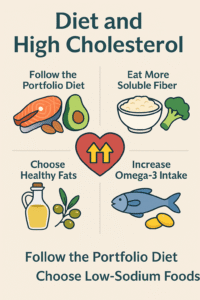
🌱 3. Portfolio Diet
- Includes: soy protein, plant sterols, soluble fiber, almonds
- Designed to reduce LDL by up to 30%
- Clinical trials confirm it can match statins in cholesterol reduction for some 👉 Explore the Portfolio Diet →
🔥 4. Anti-Inflammatory Diets
- Includes: berries, dark leafy greens, olive oil, turmeric, fatty fish
- Minimizes: processed foods, seed oils, refined sugar
- Supports endothelial function and immune modulation
Key Nutrients and Food Strategies for CAD
| Nutrient / Food | Role in Arterial Health | Examples |
| Omega-3 fatty acids | Reduce inflammation, triglycerides, arrhythmia risk | Salmon, sardines, flax, walnuts |
| Soluble fiber | Lowers LDL, feeds beneficial gut microbes | Oats, beans, apples, psyllium |
| Antioxidants | Neutralize oxidative stress on vessels | Berries, greens, cocoa, green tea |
| Plant sterols | Block cholesterol absorption | Fortified margarine, seeds, legumes |
| Polyphenols | Improve endothelial function, reduce platelet aggregation | Olive oil, dark chocolate, berries |
| Magnesium | Regulates vascular tone and blood pressure | Spinach, pumpkin seeds, whole grains |
| CoQ10 | Supports mitochondrial function in heart muscle | Organ meats, oily fish, supplements |
Daily CAD-Friendly Meal Plan Example (Mediterranean-Inspired)
| Meal | Foods Included |
| Breakfast | Steel-cut oats with blueberries, walnuts, and cinnamon |
| Snack | Apple slices with almond butter |
| Lunch | Mixed bean salad with olive oil, tomatoes, cucumbers, parsley |
| Snack | Handful of pistachios + green tea |
| Dinner | Grilled salmon, roasted Brussels sprouts, quinoa, side of greens |
Lifestyle Strategies That Complement Diet
| Strategy | Why It Supports Arterial Health |
| Exercise | Improves circulation, raises HDL, reduces insulin resistance |
| Quit smoking | Reduces oxidative damage and endothelial dysfunction |
| Sleep optimization | Poor sleep increases inflammation and metabolic risk |
| Stress management | Reduces cortisol, blood pressure, and endothelial strain |
| Weight management | Helps lower BP, triglycerides, and systemic inflammation |
Conclusion: An Artery-Saving Approach to Diet and Lifestyle
Whether you’re recovering from a cardiac event or trying to halt plaque progression, nutrition offers powerful support. By focusing on LDL reduction, inflammation control, and vascular repair, you can slow or reverse the course of atherosclerosis. Dietary patterns like Mediterranean, DASH, and Portfolio—combined with lifestyle upgrades—form a research-backed, holistic foundation for cardiovascular health.
Stay tuned for the next article in our Mini Heart Series on Heart Failure and Fluid-Smart Eating.
👉 Return to the Heart-Healthy Overview →
👉 Explore the Portfolio Diet →
References (APA Style)
- Estruch, R., et al. (2013). Primary prevention of cardiovascular disease with a Mediterranean diet. NEJM, 368(14), 1279–1290.
- Jenkins, D. J., et al. (2003). Effects of a dietary portfolio of cholesterol-lowering foods. JAMA, 290(4), 502–510.
- Ross, A. C., et al. (2014). Modern Nutrition in Health and Disease (11th ed.). Lippincott Williams & Wilkins.
- Berdanier, C. D., & Berdanier, L. (2021). Advanced Nutrition: Macronutrients, Micronutrients, and Metabolism. CRC Press.
- Ostojic, S. M. (2023). Molecular Nutrition and Mitochondria. Elsevier.