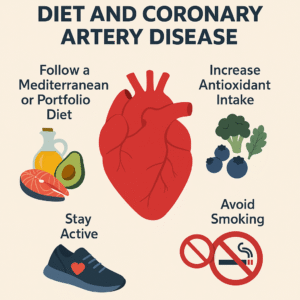
Introduction: Cholesterol and Cardiovascular Risk
High cholesterol—especially elevated low-density lipoprotein (LDL)—is a primary contributor to atherosclerosis and cardiovascular disease. However, optimal lipid management includes attention to HDL (high-density lipoprotein) and triglycerides as well.
This article targets individuals already diagnosed with hyperlipidemia and those with borderline or high-risk lipid profiles. Through evidence-based dietary and lifestyle approaches, it’s possible to significantly improve lipid panels and reduce cardiovascular risk.
Lipid Targets and Risk Profiles
| Lipid Marker | Optimal Range | Risk When Elevated |
|---|---|---|
| LDL Cholesterol | < 100 mg/dL (or < 70 in high-risk) | Promotes plaque buildup |
| HDL Cholesterol | > 60 mg/dL | Low HDL increases risk |
| Triglycerides | < 150 mg/dL | Elevated levels raise CVD and pancreatitis risk |
Dietary Framework: Portfolio Diet at the Core
The Portfolio Diet is specifically designed to lower LDL cholesterol using a synergistic set of food components:
✅ Four Core Components:
- Soluble fiber – Oats, legumes, psyllium
- Plant sterols – Fortified foods, seeds, nuts
- Soy protein – Tofu, tempeh, soy milk
- Nuts – Especially almonds and walnuts
Clinical Impact:
Jenkins et al. (JAMA, 2003) showed LDL reduction by up to 30%, rivaling statin therapy when all components were included consistently.
👉 Explore the full Portfolio Diet article →
Additional Dietary Strategies for Lipid Management
🫒 Mediterranean Diet
- High in monounsaturated fats (olive oil, nuts)
- Emphasizes fish, fruits, vegetables, legumes
- Raises HDL, reduces triglycerides, and improves LDL quality
💧 DASH Diet (Modified for Cholesterol)
- Reduce saturated fat, added sugar, and refined carbs
- Emphasize whole grains, fiber, and lean proteins
🔥 Anti-Inflammatory Focus
- Limit red and processed meats, seed oils, ultra-processed snacks
- Emphasize polyphenols (berries, tea), omega-3s, and leafy greens
Key Nutrients to Prioritize
Below are the most important nutrients for improving lipid profiles—each with recommended daily targets, mechanisms of action, and whole food sources to support therapeutic intake:
| Nutrient | Daily Target (Approx.) | Lipid Benefit | Food Sources |
| Soluble Fiber | 10–25 g | Binds cholesterol in the gut and lowers LDL levels | Oats, legumes, apples, psyllium, barley |
| Plant Sterols | 2 g | Block cholesterol absorption in the intestines | Fortified spreads, seeds, nuts, legumes |
| Omega-3s (EPA+DHA) | 1,000–2,000 mg | Lower triglycerides and reduce inflammation | Salmon, sardines, flaxseed, chia, walnuts |
| Niacin (Vitamin B3) | 1,000–2,000 mg (clinical supervision) | Raises HDL, lowers LDL and triglycerides | Tuna, peanuts, fortified cereals |
| Polyphenols | No set dose (varied intake) | Provide antioxidant and anti-inflammatory vascular support | Berries, olive oil, green tea, cocoa |
Sample Daily Lipid-Lowering Meal Plan
| Meal | Foods Included |
| Breakfast | Oatmeal with soy milk, walnuts, and blueberries |
| Snack | Apple with almond butter |
| Lunch | Lentil salad with kale, olive oil, and whole grain bread |
| Snack | Handful of pistachios, green tea |
| Dinner | Grilled salmon with quinoa, steamed broccoli, side of edamame |
Lifestyle Strategies That Support Lipid Health
| Strategy | Lipid Impact |
| Aerobic exercise | Increases HDL, lowers triglycerides and small LDL |
| Weight management | Lowers LDL and triglycerides, improves insulin sensitivity |
| Limit alcohol | Excess raises triglycerides and lowers HDL |
| Quit smoking | Improves HDL and reduces oxidative modification of LDL |
| Sleep & stress | Poor sleep and high stress worsen lipid control |
Conclusion: Lifestyle and Diet for Lasting Lipid Control
Improving cholesterol isn’t just about numbers—it’s about transformation. With the Portfolio Diet at the core, supported by Mediterranean and anti-inflammatory strategies, plus daily movement and behavioral health, you can meaningfully reduce LDL, raise HDL, and optimize cardiovascular outcomes.
👉 Return to the Heart-Healthy Overview →
👉 Explore DASH and Atherosclerosis Guides →
References (APA Style)
- Jenkins, D. J., et al. (2003). Effects of a dietary portfolio of cholesterol-lowering foods. JAMA, 290(4), 502–510.
- Ross, A. C., et al. (2014). Modern Nutrition in Health and Disease (11th ed.). Lippincott Williams & Wilkins.
- Berdanier, C. D., & Berdanier, L. (2021). Advanced Nutrition: Macronutrients, Micronutrients, and Metabolism (3rd ed.). CRC Press.
- Estruch, R., et al. (2013). Primary prevention of cardiovascular disease with a Mediterranean diet. NEJM, 368(14), 1279–1290.
- National Lipid Association (2022). Guidelines for the Management of Dyslipidemia.