Introduction: Stroke Prevention Starts with the Smallest Choices
A stroke can strike without warning—but the underlying risk often builds for years. The good news? Up to 80% of strokes are preventable through targeted lifestyle and nutritional choices that protect the brain’s fragile blood vessels.
This article focuses on nutrition and habits to prevent ischemic (clot-based) and hemorrhagic (bleeding) strokes, particularly in individuals with high blood pressure, diabetes, atrial fibrillation, or a family history of cerebrovascular disease.
Stroke: Definition and Classification
A stroke, or cerebrovascular accident (CVA), is a sudden interruption of blood flow to the brain, leading to neurological damage. It can be classified into:
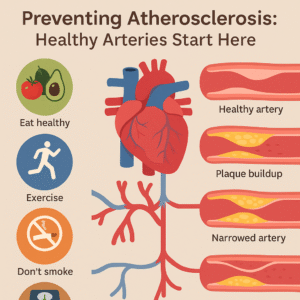
- Ischemic stroke (approximately 87% of all strokes): caused by obstruction of blood vessels due to atherosclerosis or embolism.
- Hemorrhagic stroke: caused by bleeding in the brain due to vessel rupture, often associated with hypertension or aneurysms
Risk Factors and Causes of Stroke
Stroke shares many risk factors with cardiovascular disease, including:
- Modifiable: hypertension, high LDL cholesterol, low HDL, diabetes mellitus (especially type 2), obesity, sedentary lifestyle, poor diet, tobacco use, alcohol abuse, and sleep disorders.
- Non-modifiable: age, sex, family history, and genetics
Hypertension is a particularly potent and direct risk factor for stroke, with prehypertension already increasing risk
Stroke Risk Factors You Can Influence
| Risk Factor | How It Increases Stroke Risk |
|---|---|
| High blood pressure | Damages and stiffens small arteries, making rupture or clots more likely |
| Atrial fibrillation | Irregular heartbeat can form clots that travel to the brain |
| High LDL or triglycerides | Promotes atherosclerosis and carotid artery narrowing |
| Diabetes | Damages endothelial cells and increases clotting tendency |
| Smoking and inactivity | Reduce blood flow and raise inflammation |
Dietary Goals for Stroke Prevention
| Goal | Why It Matters |
| Lower sodium, raise potassium | Improves blood pressure and vascular tone |
| Emphasize antioxidant-rich foods | Protects small vessels from oxidative damage |
| Stabilize blood sugar | Reduces endothelial injury in diabetics and prediabetics |
| Favor omega-3 fats | Reduces clot risk, supports rhythm, lowers inflammation |
| Limit saturated fat and trans fats | Reduces LDL, improves endothelial function |
Protective Eating Patterns
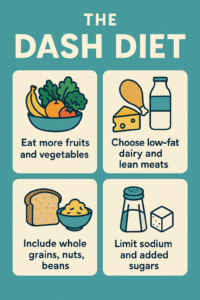
DASH Diet (stroke-specific emphasis)
- Proven to reduce systolic and diastolic pressure
- Focus on low-sodium, high-potassium meals
Mediterranean Diet
- In the PREDIMED trial, associated with reduced stroke incidence
- Features nuts, olive oil, vegetables, and fatty fish
Anti-Inflammatory Diet
- Rich in polyphenols, fiber, and healthy fats
- May prevent microvascular damage and protect against cognitive decline
Key Nutrients in Stroke Prevention
Certain vitamins and minerals play key roles in reducing stroke risk:
- Folate and B-vitamins (B6, B12): Reduce homocysteine levels, which are linked to vascular damage and stroke risk
- Potassium: Helps counteract sodium’s hypertensive effects.
- Magnesium and Calcium: Support vascular health and blood pressure control.
- Vitamin C and antioxidants: May protect against oxidative damage to blood vessels.
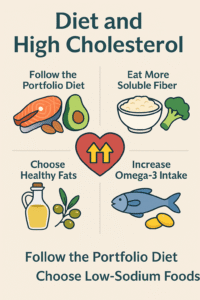
- Omega-3 fatty acids: Reduce inflammation and platelet aggregation, lowering risk of atherosclerosis
| Nutrient / Food | Daily Target / Effect | Protective Role | Sources |
| Potassium | 3,500–4,700 mg/day | Lowers BP, improves vessel compliance | Beans, spinach, potatoes, bananas |
| Magnesium | 300–500 mg/day | Reduces risk of stroke and atrial fibrillation | Nuts, seeds, whole grains, leafy greens |
| Omega-3s (EPA/DHA) | 1,000–2,000 mg/day | Reduce clotting, improve endothelial function | Salmon, flax, chia, sardines |
| Fiber | 25–30 g/day | Lowers LDL and stabilizes blood sugar | Legumes, oats, berries, vegetables |
| Polyphenols | No set dose | Reduce oxidative stress and protect vessel walls | Berries, cocoa, tea, olive oil |
Sample Brain-Friendly Day of Eating
| Meal | Foods Included |
| Breakfast | Chia pudding with blueberries, walnuts, cinnamon, soy milk |
| Snack | Sliced cucumber and bell pepper with hummus |
| Lunch | Grilled salmon, quinoa, steamed greens with olive oil and lemon |
| Snack | Apple and unsalted almonds |
| Dinner | Lentil soup, whole grain roll, side salad with beets and arugula |
Lifestyle Strategies for Prevention
- Weight Management: Obesity significantly raises stroke risk; achieving a healthy BMI is essential.
- Physical Activity: Regular moderate activity improves cardiovascular fitness and insulin sensitivity.
- Smoking Cessation: Smoking is a leading preventable cause of stroke and cardiovascular death
- Sleep Hygiene: Poor sleep is linked to increased stroke and cardiovascular risk.
- Moderate Alcohol Consumption: Heavy drinking is a known stroke risk; moderation is advised
| Habit | Why It Matters |
| Daily movement | Reduces BP, improves blood flow and insulin sensitivity |
| Sleep 7–8 hrs/night | Poor sleep raises stroke and AFib risk |
| Manage stress | Reduces blood pressure spikes and sympathetic overdrive |
| Limit alcohol | Excessive intake increases risk of hemorrhagic stroke |
| Avoid smoking | Reduces clot risk and small vessel damage |
Protect Your Brain—One Meal, One Walk, One Choice at a Time
Stroke prevention isn’t about one superfood—it’s about a lifestyle that supports strong, flexible blood vessels and optimal blood flow. Start with small changes, commit to consistency, and protect the most powerful organ in your body—your brain.
👉 Return to the Prevention Overview →
👉 Next: Preventing Metabolic Syndrome →
References (APA Style)
- Whelton, P. K., et al. (2018). 2017 ACC/AHA guideline for the prevention, detection, evaluation, and management of high blood pressure in adults. JACC, 71(19), e127–e248.
- Estruch, R., et al. (2013). Primary prevention of cardiovascular disease with a Mediterranean diet. NEJM, 368(14), 1279–1290.
- Sesso, H. D., et al. (2008). Magnesium intake and risk of stroke among men. American Journal of Clinical Nutrition, 87(5), 1459–1466.
- Mozaffarian, D., et al. (2005). Fish consumption and risk of ischemic stroke. BMJ, 330(7498), 1372.
- Ross, A. C., et al. (2014). Modern Nutrition in Health and Disease (11th ed.). Lippincott Williams & Wilkins.