Introduction: Why the Mediterranean Diet Stands the Test of Time
The Mediterranean Diet isn’t just another trend; it’s a nutritional legacy passed down through generations in countries bordering the Mediterranean Sea. Its reputation as one of the healthiest dietary patterns is well-earned, with decades of clinical research validating its benefits for heart health, metabolic function, and longevity. As chronic diseases continue to rise globally, this time-tested approach offers a sustainable and scientifically-backed path to better living.
What Is the Mediterranean Diet?
The Mediterranean Diet reflects the traditional eating patterns of countries like Greece, Italy, and Spain during the mid-20th century. It emphasizes plant-based foods, healthy fats, and lean proteins while minimizing processed items and red meat.
Core Components:
- Fruits and vegetables: At least 5–10 servings per day
- Whole grains: Barley, farro, bulgur, brown rice, and whole wheat bread
- Legumes: Lentils, chickpeas, and beans several times per week
- Nuts and seeds: A handful daily (e.g., almonds, walnuts, flaxseeds)
- Olive oil: The primary source of fat, rich in monounsaturated fatty acids
- Fish and seafood: At least twice a week
- Dairy: Moderate intake of cheese and yogurt
- Poultry and eggs: In moderation
- Wine: In moderation, with meals (optional and culturally contextual)
- Herbs and spices: Used liberally for flavor instead of salt
Scientifically Proven Health Benefits
1. Cardiovascular Health
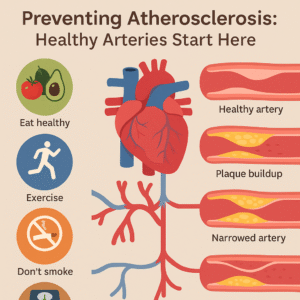
The Mediterranean Diet is most renowned for its cardioprotective effects. The PREDIMED study (Prevención con Dieta Mediterránea), a landmark randomized controlled trial involving over 7,400 participants at high cardiovascular risk, found that adherence to a Mediterranean diet supplemented with extra-virgin olive oil or mixed nuts led to a ~30% reduction in the risk of major cardiovascular events (heart attack, stroke, or death from cardiovascular causes) compared to a low-fat control diet.
Mechanisms Behind the Benefits:
- Monounsaturated fats (MUFA) from olive oil improve lipid profiles by lowering LDL (“bad” cholesterol) and raising HDL (“good” cholesterol).
- Omega-3 fatty acids from fish reduce arrhythmias, thrombosis, and inflammation.
- High fiber intake from legumes, vegetables, and whole grains helps regulate blood pressure and glucose levels.
- Polyphenols and antioxidants in fruits, vegetables, and wine reduce oxidative stress—a major driver of atherosclerosis.
Additionally, the low sodium and high potassium ratio in this diet helps reduce hypertension, a major contributor to stroke and heart disease.
2. Improved Metabolic Health and Diabetes Prevention
The Mediterranean Diet has been shown to significantly reduce the incidence of type 2 diabetes, even in high-risk populations. According to post-hoc analysis from PREDIMED, individuals following the diet had a 52% lower risk of developing diabetes than those on a control diet, despite no significant weight loss.
How It Works:
- Whole grains and legumes provide low-glycemic index carbohydrates, reducing blood sugar spikes.
- Fiber enhances insulin sensitivity and supports gut microbiome diversity.
- The diet modulates mitochondrial function and supports beta-cell preservation, essential for insulin production.
- Olive oil and nuts contain polyphenols and alpha-linolenic acid, which improve glucose uptake in muscle cells.
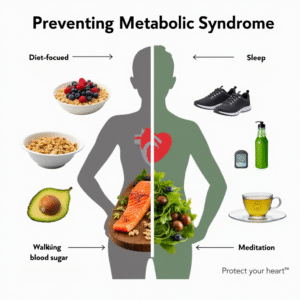
Overall, the Mediterranean Diet serves as a functional dietary intervention for metabolic syndrome—a cluster of conditions including hypertension, high triglycerides, and abdominal obesity.
3. Weight Management and Satiety
Though not designed as a weight-loss diet, the Mediterranean approach supports healthy weight maintenance and reduces visceral fat. Several studies have found that individuals adhering to this diet experience modest weight loss or maintenance over time, especially when combined with physical activity.
Why It’s Effective:
- High satiety from fiber, fats, and protein helps prevent overeating.
- Minimally processed foods reduce caloric density without sacrificing satisfaction.
- Encourages mindful eating habits and discourages restriction, reducing binge cycles.
- Olive oil and nuts enhance post-meal satisfaction through hormonal regulation of appetite (e.g., leptin and GLP-1).
Furthermore, plant-centric diets like the Mediterranean pattern have been shown to decrease fat mass without loss of lean tissue, supporting metabolic efficiency and preventing rebound weight gain.
4. Cognitive Protection and Brain Health
The Mediterranean Diet is associated with slower cognitive decline, better memory retention, and lower risk of Alzheimer’s and Parkinson’s disease. One prospective cohort study from the New England Journal of Medicine found that higher adherence to the Mediterranean Diet was correlated with a 40% lower risk of Alzheimer’s disease.
Scientific Explanation:
- Polyphenols (in berries, olive oil, and red wine) exert neuroprotective effects by crossing the blood-brain barrier and reducing neuronal inflammation.
- Omega-3 fatty acids from fish help preserve neuronal membrane fluidity and neurotransmitter function.
- A diet rich in B vitamins and folate (from greens and legumes) reduces homocysteine, a neurotoxic metabolite associated with cognitive decline.
- Probiotic-rich fermented foods and fiber support the gut-brain axis, influencing neurotransmitter synthesis and emotional regulation.
This makes the Mediterranean Diet a practical and preventive tool in aging populations at risk for dementia and mood disorders.
5. Longevity and Cancer Risk Reduction
People in Mediterranean regions often enjoy exceptional longevity. Research suggests that a high Mediterranean Diet Score (MDS) correlates with reduced all-cause mortality and lower cancer incidence, particularly of the colon, breast, and prostate.
Contributing Factors:
- Antioxidant-rich foods protect against DNA damage and tumor initiation.
- Low red and processed meat intake reduces exposure to nitrates and heterocyclic amines (known carcinogens).
- High fiber intake promotes estrogen metabolism, linked to reduced breast cancer risk.
- The abundance of anti-inflammatory compounds, such as oleuropein (in olive oil) and resveratrol (in wine), interrupts pathways related to angiogenesis and metastasis.
The One Health perspective, highlighted in The Mind-Gut-Immune Connection, ties environmental sustainability and soil health to microbiome integrity and long-term disease prevention, positioning the Mediterranean Diet not only as a healthful but also an ecologically conscious choice
Nutritional Guidelines for Implementation
Here’s a weekly snapshot of how to follow the Mediterranean Diet:
| Food Group | Frequency |
|---|---|
| Vegetables | Daily |
| Fruits | Daily |
| Whole grains | Daily |
| Olive oil | Daily (as main fat) |
| Legumes | 3–4 times per week |
| Fish/Seafood | 2–3 times per week |
| Poultry | 1–2 times per week |
| Red Meat | Less than once a week |
| Dairy | In moderation (daily or less) |
| Wine (optional) | 1 glass/day (women), 2 (men) |
Cultural and Practical Flexibility
One of the Mediterranean Diet’s most attractive qualities is its adaptability. It’s not a strict regimen but a lifestyle—one that celebrates seasonal, locally sourced ingredients and shared meals. This makes it sustainable and easier to follow long-term, especially when adapted to different cultural cuisines using the same core principles.
How It Compares to Other Diets
- Vs. Vegan/Plant-Based: While plant-forward, the Mediterranean Diet includes animal products such as fish, eggs, and dairy, making it more flexible and easier for many to adopt.
- Vs. Keto/Low-Carb: It offers a moderate approach to carbohydrates, emphasizing whole-food sources rather than eliminating them.
- Vs. DASH Diet: Both prioritize heart health, but the Mediterranean Diet includes wine and allows for more dietary fat from healthy sources.
Final Thoughts: Is the Mediterranean Diet Right for You?
For most people, yes. Its balanced, whole-food approach supports heart, brain, and metabolic health, making it a cornerstone recommendation in both preventive and clinical nutrition. Whether you’re new to healthy eating or looking to elevate your current habits, the Mediterranean Diet is a nourishing and delicious place to begin.
References (APA Style)
- Estruch, R., et al. (2013). Primary prevention of cardiovascular disease with a Mediterranean diet. New England Journal of Medicine, 368(14), 1279–1290.
- Campbell, T. C., & Jacobson, H. (2013). Whole: Rethinking the Science of Nutrition. BenBella Books.
- Berdanier, C. D., & Berdanier, L. (2021). Advanced Nutrition: Macronutrients, Micronutrients, and Metabolism (3rd ed.). CRC Press.
- Ross, A. C., et al. (2014). Modern Nutrition in Health and Disease (11th ed.). Lippincott Williams & Wilkins.
- Ostojic, S. M. (2023). Molecular Nutrition and Mitochondria. Elsevier.
- Mayer, E. (2020). The Mind-Gut-Immune Connection. Harper Wave.